How to Transform Governance: 5 Untapped Public Policy Startup Ideas

webmaster

공공정책 분야에서의 창업 아이디어 - **Revolutionizing Urban Living Through Smart Technologies**
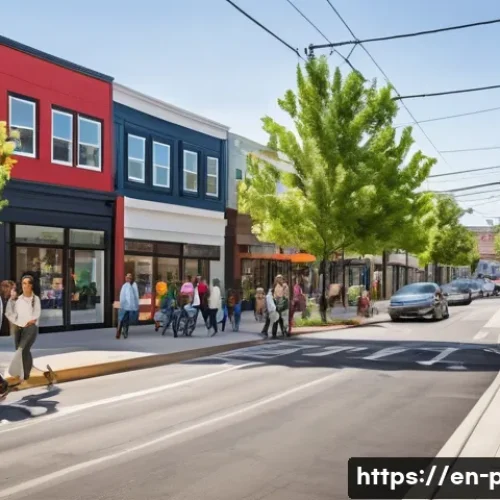
    "A vibrant, optimistic wide-angle sh...

Hey everyone! Have you ever looked at the world around us and thought, ‘There *has* to be a better way to tackle these massive public policy challenges?’ From building more resilient communities to reimagining public services, I’ve personally felt that yearning for innovation.

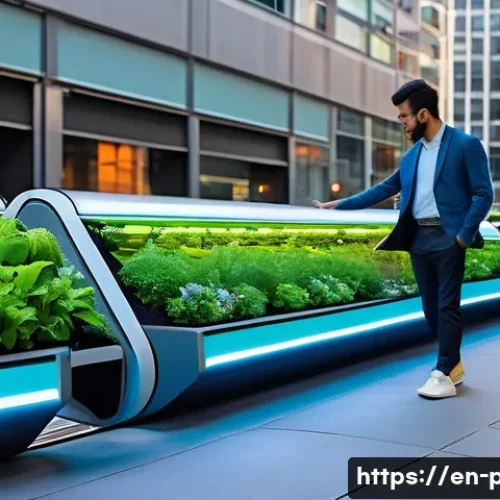
공공정책 분야에서의 창업 아이디어 관련 이미지 1

The truth is, the current climate — with its rapid technological advancements and urgent societal needs — is creating an unprecedented playground for visionary entrepreneurs.

It’s not just about tech anymore; it’s about crafting smart, sustainable solutions that truly resonate within our communities. If you’re ready to blend purpose with profit and make a real impact, I believe this is your moment.

Let’s explore some incredibly promising startup ideas in public policy that are set to redefine our future, right now!

Revolutionizing Urban Living Through Smart Technologies

Okay, so let’s be real. Living in a bustling city is amazing, but it also comes with its own unique set of headaches, right? Traffic jams that steal hours of your life, public spaces that sometimes feel a bit neglected, and just that general feeling that things could run a whole lot smoother. I’ve personally experienced the frustration of trying to navigate complex public transport or finding a decent parking spot in a crowded downtown. But what if we could rethink how our cities operate, using cutting-edge tech to make daily life genuinely better for everyone? This isn’t about some far-off sci-fi fantasy; it’s happening now, and the opportunities for entrepreneurs to jump in are absolutely huge. Think about innovations that don’t just offer minor improvements but fundamentally change how we interact with our urban environments. It’s about creating connected ecosystems where data actually serves people, where efficiency isn’t just a buzzword but a lived experience, and where every citizen feels more connected and safer. I truly believe that by harnessing the power of smart technologies, we can build cities that aren’t just functional, but truly thriving, responsive, and joyful places to call home. It’s a chance to build a legacy, not just a business.

Making Daily Commutes a Breeze

Who among us hasn’t groaned at the thought of their morning commute? Seriously, it can be a nightmare. But imagine a world where real-time data on traffic, public transport, and even micromobility options (like e-scooters or bike-sharing) is seamlessly integrated, offering you the absolute quickest, most efficient, and environmentally friendly way to get from A to B. We’re talking about smart apps that don’t just tell you the next bus arrival, but predict crowding levels, suggest alternative routes based on live events, and even let you reserve a shared electric vehicle. I’ve seen some incredible pilot programs in cities like Portland and Helsinki that use AI to optimize traffic light timings, reducing congestion by a noticeable margin. For entrepreneurs, this space is ripe for innovation – from developing predictive analytics for public transit to creating seamless multi-modal payment systems. My own experience trying to get across London during rush hour made me realize just how much value there is in solutions that truly simplify and speed up urban travel. It’s about giving people back their precious time.

Greening Our Cities: Sustainable Solutions

The concrete jungle needs more green, literally and figuratively. As someone who loves spending time outdoors, I’ve always been passionate about making our urban spaces more sustainable. We’re seeing incredible opportunities for startups to focus on urban agriculture, vertical farms that use minimal water and land, or even smart waste management systems that use IoT sensors to optimize collection routes and encourage recycling. Think about businesses that could implement smart irrigation systems for city parks, dramatically cutting down on water waste, or develop modular green infrastructure that can be easily integrated into existing buildings. There’s also a huge demand for solutions that promote cleaner air, perhaps through smart air quality monitoring networks or innovative ways to filter pollutants. These aren’t just eco-friendly ideas; they’re savvy business moves that tap into a growing public desire for healthier, more sustainable living. I once visited a rooftop farm in Brooklyn that was supplying fresh produce to local restaurants – it was inspiring to see how a simple idea could have such a big impact on local food systems and community engagement.

Enhancing Public Safety with Data-Driven Approaches

Safety is a fundamental right, and technology can play a huge role in making our communities more secure. This isn’t just about surveillance, but about proactive, intelligent solutions that empower both citizens and first responders. Imagine AI-powered systems that can analyze public data patterns to predict potential areas of concern, allowing for resources to be allocated more effectively. Or smart lighting solutions that adapt to pedestrian traffic, not only saving energy but also enhancing visibility and deterring crime in low-activity areas. There are also incredible applications in emergency response, like connected drone systems that can rapidly assess disaster zones or provide real-time information to rescue teams. From my perspective, having lived in a few different cities, the sense of security you feel directly impacts your quality of life. Startups that can develop ethical, transparent, and effective tools for public safety, focusing on prevention and rapid response, are truly poised to make a monumental impact. It’s about fostering a sense of community vigilance without sacrificing privacy.

A New Era for Public Health and Accessibility

Healthcare can often feel like a maze, right? Long wait times, confusing insurance forms, and the sheer challenge of accessing quality care, especially for folks in underserved communities. I’ve personally navigated the complexities of finding specialists and coordinating appointments, and it really drives home how much room there is for improvement. But what if we could leverage technology to make health services more accessible, more personalized, and more preventive? We’re talking about transforming public health from a reactive system to one that actively promotes well-being and ensures everyone, regardless of their zip code or socioeconomic status, has a fair shot at a healthy life. The shift towards digital health has accelerated dramatically, opening up incredible avenues for entrepreneurs to innovate. This isn’t just about telehealth; it’s about a holistic approach that uses data, connectivity, and smart solutions to empower individuals and communities to take control of their health. I truly believe that by focusing on preventative care and breaking down access barriers, we can create a healthier, more equitable society, and that’s a mission worth investing in.

Bridging the Healthcare Gap Digitally

The digital revolution has already started reshaping healthcare, but there’s still so much untapped potential, especially in public policy applications. Telemedicine has been a lifesaver for many, reducing travel burdens and improving access for those in rural areas or with limited mobility. But we can go further. Think about AI-powered diagnostic tools that can assist healthcare professionals in remote clinics, or mobile health units equipped with advanced diagnostics that can reach isolated communities. There are also opportunities for platforms that simplify appointment scheduling, medication management, and provide culturally competent health information in multiple languages. From my own experience, trying to explain medical terms to a non-English speaking friend highlighted the immense need for accessible, multilingual health resources. Startups that can innovate in secure data sharing, interoperability between different health systems, and user-friendly patient portals are set to make a massive difference. This isn’t just about convenience; it’s about fundamental equity in healthcare access.

Proactive Wellness Programs for All Ages

It’s time to shift our focus from treating illness to promoting wellness. This proactive approach to public health is where some of the most exciting innovations are emerging. Imagine community-wide programs that leverage wearable tech and gamification to encourage physical activity, healthy eating, and stress reduction. Think about digital platforms that connect individuals with local resources for mental health, nutrition counseling, or chronic disease management. For instance, my neighbor recently started using an app that connects her with local walking groups and provides personalized healthy meal plans, and she’s genuinely seen a huge improvement in her energy levels. Entrepreneurs can develop solutions for targeted public health campaigns, using data to identify at-risk populations and deliver personalized interventions. This could include educational apps for children on healthy habits or engaging programs for seniors to maintain cognitive function and social connections. The opportunity here is to create engaging, scalable tools that empower people to make healthier choices every single day.

Mental Health Support in Every Community

Mental health is just as crucial as physical health, and the demand for accessible support is staggering. I’ve seen firsthand how challenging it can be for people to find affordable and timely mental health services. This is a critical area for public policy innovation. Think about platforms that connect individuals with qualified therapists or counselors through secure video calls, or AI-powered chatbots that provide immediate support and resources for common mental health concerns, acting as a first line of defense. There’s also a huge need for solutions that destigmatize mental health discussions, perhaps through community-based digital forums or educational apps that promote mindfulness and emotional resilience. Startups could develop tools for schools to implement proactive mental wellness programs for students, or for workplaces to offer easily accessible employee assistance programs. The goal is to build a robust ecosystem of support that makes mental healthcare a standard, accessible part of public health infrastructure, not an afterthought. It’s about creating a culture where asking for help is normalized and easy.

Advertisement

Empowering Education Beyond the Classroom Walls

The traditional classroom model, while foundational, often struggles to keep pace with the rapidly evolving demands of our world. As someone who’s always been a curious learner, I’ve seen how personalized approaches and access to diverse learning resources can truly unlock potential. We often talk about skill gaps and the future of work, but how do we truly prepare everyone for that future, not just those with privileged access? This isn’t just about making existing curricula digital; it’s about reimagining education from the ground up, making it more flexible, more personalized, and more relevant to real-world needs. The landscape for educational technology, or EdTech, is absolutely booming, creating unprecedented opportunities for visionary entrepreneurs to develop solutions that address systemic challenges in public education. We need innovations that transcend socioeconomic barriers, that empower lifelong learning, and that foster critical thinking and creativity in ways that traditional methods sometimes struggle to achieve. My own journey through various learning platforms has shown me that the right tools can make education an exciting, accessible adventure for everyone.

Personalized Learning Paths for Every Student

One-size-fits-all education just doesn’t cut it anymore. Every student learns differently, at their own pace, and with unique interests. This is where personalized learning truly shines, and it’s a massive area for entrepreneurial impact. Imagine AI-driven platforms that adapt curriculum content based on a student’s progress and learning style, providing customized exercises, resources, and even virtual tutors. Think about gamified learning experiences that make complex subjects engaging and fun, especially for younger learners, or interactive simulations that allow students to explore scientific concepts or historical events in a dynamic way. I’ve heard incredible stories from teachers using adaptive learning software that has helped struggling students catch up remarkably quickly, and challenged advanced students with enriched content. Startups could develop tools for schools to implement these adaptive learning systems, create specialized content for neurodivergent students, or even build platforms that allow students to explore vocational skills through virtual reality apprenticeships. The potential to unlock individual potential is immense.

Skills-Based Training for the Modern Economy

The job market is constantly changing, and what was in demand five years ago might be obsolete today. This creates a huge challenge for public policy to ensure the workforce remains competitive and adaptable. This is where skills-based training comes in, and it’s a goldmine for innovative startups. We’re talking about micro-credentialing platforms that allow individuals to gain specific, in-demand skills quickly, perhaps through short online courses or bootcamps focused on areas like coding, data analytics, digital marketing, or renewable energy installation. Imagine partnerships with local industries to create bespoke training programs that directly address local talent shortages, or platforms that connect job seekers with mentors and real-world project experience. My friend recently transitioned careers using an online platform that provided certifications in cloud computing, and it completely changed his trajectory. Entrepreneurs can develop tools for workforce development agencies, create engaging vocational training modules, or build platforms that help employers identify candidates based on verified skills rather than just traditional degrees. It’s about creating pathways to economic opportunity for everyone.

Building Resilient Communities in the Face of Climate Change

Climate change isn’t some distant threat; it’s here, and its impacts are increasingly affecting our communities, from severe weather events to resource scarcity. I’ve personally felt the anxiety of extreme heatwaves and witnessed the devastation of local flooding, and it really underscores the urgent need for innovative solutions. This isn’t just about grand global agreements; it’s about practical, actionable strategies at the local level that help communities adapt, mitigate, and even thrive amidst these challenges. There’s an incredible opportunity for entrepreneurs to develop technologies and services that build resilience into our public infrastructure, our energy systems, and our daily lives. Think about how we can leverage smart technology to predict and prepare for environmental shifts, how we can foster a circular economy, or how we can empower citizens to make more sustainable choices. My firm belief is that by focusing on community-level innovation, we can not only protect ourselves but also create new economic opportunities and a stronger, more connected social fabric. It’s about turning a challenge into a catalyst for positive change.

Harnessing Renewable Energy at a Local Level

The transition to renewable energy is one of the most critical public policy challenges, and it’s an area brimming with entrepreneurial potential. We need more than just large-scale solar farms; we need localized, community-driven energy solutions. Imagine startups developing microgrid technologies that allow neighborhoods or even individual buildings to generate, store, and share their own clean energy, making them less reliant on a centralized grid and more resilient to outages. Think about innovative solutions for urban solar panel installation on unconventional surfaces, or advanced battery storage systems that make intermittent renewables more reliable. I’ve seen some amazing initiatives where local co-ops invest in community solar projects, providing clean energy and even reducing utility bills for residents. Entrepreneurs can develop platforms that facilitate community investment in renewables, design smart energy management systems for public buildings, or create accessible tools that help homeowners and small businesses adopt solar and wind power. It’s about democratizing energy and fostering energy independence.

Innovative Waste Management Solutions

Waste is a massive public policy issue, and frankly, we’re drowning in it. But this challenge presents a huge opportunity for creative solutions. We need to move beyond just landfills and embrace circular economy principles. Imagine startups developing advanced recycling technologies that can process previously unrecyclable materials, or creating platforms that facilitate the reuse and repair of goods, extending their lifespans. Think about smart bins that use sensors to optimize collection routes, reducing fuel consumption and emissions, or community composting programs that turn organic waste into valuable soil. My partner recently got involved with a local initiative that repurposes old electronics, and it’s incredible how much value can be extracted from items we typically just throw away. Entrepreneurs can develop tools for public education on waste reduction, create innovative packaging solutions that are truly compostable or biodegradable, or build marketplaces for recycled materials. It’s about reimagining waste as a resource and fostering a truly sustainable consumption cycle.

Disaster Preparedness and Response Tech

When disaster strikes, having robust preparedness and rapid response systems is paramount. Climate change is making these events more frequent and intense, creating an urgent need for technological innovation in public policy. Imagine AI-powered early warning systems that can predict flood risks with greater accuracy, or drone technology that can quickly assess damage in hard-to-reach areas and deliver essential supplies. Think about communication platforms that can maintain connectivity during emergencies, allowing first responders to coordinate effectively and citizens to receive vital information. I remember during a recent hurricane, cell towers went down, and the ability to communicate was severely hampered – highlighting the need for resilient, off-grid communication solutions. Entrepreneurs can develop crowd-sourcing platforms for disaster relief, create personalized emergency alert systems, or design innovative shelters and infrastructure that are more resilient to extreme weather. It’s about leveraging technology to protect lives and livelihoods when communities are most vulnerable.

Public Policy Area Startup Innovation Example Potential Impact
Urban Mobility AI-powered traffic flow optimization software Reduced congestion, lower emissions, faster commutes
Healthcare Access Telemedicine platform for rural communities Improved patient access, reduced travel costs, better health outcomes
Workforce Development Micro-credentialing platform for digital skills Increased employability, addresses skill gaps, boosts local economy
Environmental Sustainability Community solar microgrid development Enhanced energy resilience, lower carbon footprint, reduced utility costs
Public Safety Predictive analytics for crime prevention More efficient resource allocation, proactive safety measures, safer communities
Advertisement

Fostering Economic Opportunity and Inclusive Growth

Let’s talk about the economy, but not just the big numbers. I’m thinking about Main Street, about local businesses, and about every single person having a fair shot at financial stability and growth. It’s no secret that economic disparities can create huge challenges for communities, and traditional approaches sometimes fall short. I’ve personally seen how difficult it can be for small businesses to compete with larger corporations, or for individuals to gain the skills needed for well-paying jobs without access to expensive training. But what if we could harness entrepreneurial spirit to create new pathways to prosperity, ensuring that growth is truly inclusive and benefits everyone? There’s a massive opportunity for startups to develop innovative solutions that support local economies, empower underserved populations, and bridge the gap between education and employment. This isn’t just about creating new jobs; it’s about building stronger, more equitable economic foundations that are resilient to future shocks. My personal belief is that when we invest in inclusive growth, the entire community benefits, creating a ripple effect of positive change that can truly transform lives and strengthen our collective future.

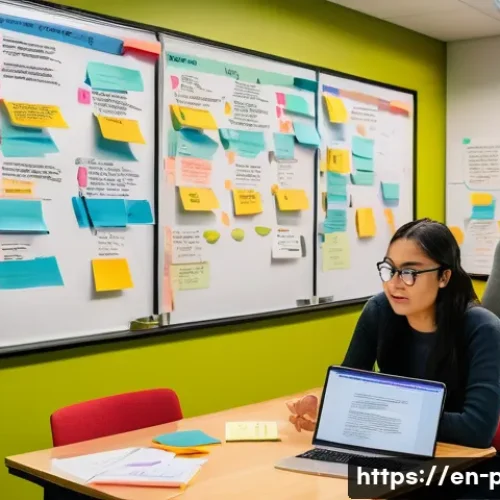
공공정책 분야에서의 창업 아이디어 관련 이미지 2

Supporting Small Businesses with Digital Tools

Small businesses are the lifeblood of our communities, but they often struggle to access the resources and technology that larger corporations take for granted. This is a prime area for public policy-focused startups. Imagine platforms that offer affordable, user-friendly digital tools for small businesses – things like simplified e-commerce solutions, integrated marketing automation, or streamlined inventory management systems. Think about localized digital marketplaces that connect consumers directly with local shops and services, making it easier for them to discover and support neighborhood businesses. I’ve seen incredible success stories from local businesses that, with the right digital tools, have managed to expand their reach far beyond their physical storefronts. Entrepreneurs can develop tools for public agencies to offer digital literacy training to small business owners, create accessible funding platforms for startups in underserved areas, or build AI-powered solutions that help small businesses optimize their operations and customer engagement. It’s about leveling the playing field and empowering local entrepreneurs to thrive in a digital world.

Reimagining Workforce Development Programs

The concept of a “job for life” feels like a distant memory for many. The modern workforce demands continuous learning and adaptation, which presents both a challenge and an opportunity for innovation in public policy. We need to move beyond static training programs and embrace dynamic, responsive models. Imagine startups developing personalized career coaching platforms that use AI to match individuals with relevant training and job opportunities, or creating virtual reality simulations for hands-on vocational training that reduces the need for expensive physical equipment. Think about platforms that facilitate “gig economy” workers to access benefits, training, and financial planning resources that are often unavailable to them. My experience advising recent graduates has shown me the immense value of programs that connect education directly with industry needs. Entrepreneurs can develop tools for government agencies to track skill demands in real-time, build accessible portals for adults seeking reskilling or upskilling opportunities, or create mentorship platforms that connect experienced professionals with those just starting their careers. It’s about building a future-proof workforce for everyone.

Streamlining Government Services for Citizen Engagement

Let’s be honest, interacting with government services can sometimes feel like navigating a bureaucratic labyrinth. From applying for permits to understanding public programs, the process can often be complex, time-consuming, and frankly, a bit frustrating. I’ve personally spent what felt like an eternity trying to fill out forms and figure out which department I needed to talk to, and it really brought home how much room there is for improvement. But what if we could rethink how government services are delivered, making them as intuitive and user-friendly as our favorite apps? There’s a massive opportunity for entrepreneurs to develop innovative solutions that not only streamline these processes but also enhance transparency, foster greater citizen engagement, and build stronger trust between government and the public. This isn’t just about digitizing old forms; it’s about fundamentally redesigning the citizen experience, making public services truly responsive to people’s needs. My firm belief is that when government works smarter, citizens are more engaged, more empowered, and the whole community benefits. It’s about making civic participation not just a duty, but a genuine, effortless experience.

Simplifying Bureaucracy with User-Friendly Platforms

The sheer volume of paperwork and complex processes can deter people from accessing the public services they need. This is a huge area where startups can make a difference. Imagine developing intuitive, mobile-first platforms that allow citizens to apply for various government services – from vehicle registration to social benefits – with just a few taps. Think about AI-powered chatbots that can answer common questions and guide users through complex procedures, reducing the need for lengthy phone calls or office visits. I’ve seen some incredible examples in cities where online portals have cut down application times from weeks to minutes, significantly improving citizen satisfaction. Entrepreneurs can develop tools for local councils to manage permit applications more efficiently, create integrated platforms that consolidate multiple public services into a single point of access, or design accessible interfaces for elderly or disabled citizens to navigate public information. It’s about stripping away unnecessary complexity and making essential services genuinely easy to use for everyone.

Enhancing Transparency and Accountability

Trust in government hinges on transparency and accountability, and technology offers powerful ways to achieve both. Public policy is ripe for innovation here. Imagine platforms that make government spending easily understandable and searchable for the average citizen, or tools that track the progress of public projects in real-time, from infrastructure development to policy implementation. Think about secure, blockchain-based systems that ensure the integrity of public records or election results, fostering greater confidence in democratic processes. My own curiosity about local government budgets has made me realize how much value there is in clear, accessible data. Entrepreneurs can develop citizen engagement platforms that allow for direct feedback on public services, create data visualization tools that make complex government data comprehensible, or build secure reporting systems for whistleblowers. It’s about shining a light on government operations and empowering citizens to hold their elected officials and institutions accountable in meaningful ways.

Digital Identity and Secure Public Services

In our increasingly digital world, secure and reliable digital identity is crucial for accessing public services, but it also presents privacy challenges. This is a complex area with huge potential for innovative startups. Imagine developing highly secure, privacy-preserving digital identity solutions that allow citizens to verify their identity online without compromising sensitive personal information. Think about integrated systems that simplify access to public healthcare records, tax services, or voting, all while maintaining robust data protection. My experience with various online verification processes has often left me wishing for a more seamless and secure universal solution. Entrepreneurs can develop blockchain-based identity management systems, create biometric verification tools that prioritize user privacy, or build secure gateways that allow for authenticated access to diverse public sector portals. It’s about creating a digital infrastructure that empowers citizens to interact securely and confidently with their government, making essential services more accessible while safeguarding individual privacy in the digital age.

Advertisement

Wrapping Things Up

Whew! What a journey we’ve been on, exploring how smart technologies are truly shaking up and improving our urban lives. It’s so much more than just flashy gadgets; it’s about creating genuinely livable, responsive, and thriving cities for all of us. I truly believe that at the heart of every successful smart city initiative is a commitment to people – enhancing our daily experiences, promoting well-being, and building stronger, more connected communities. From the frustration of traffic to the joy of cleaner parks, I’ve seen how these innovations can make a real difference. The future of urban living is incredibly exciting, and I can’t wait to see how these advancements continue to shape our world for the better. It’s an ongoing conversation, and honestly, that’s the best part!

Good to Know Info

1. Living in a smart city can genuinely upgrade your daily life. Imagine less time stuck in traffic thanks to intelligent mobility solutions, breathing cleaner air due to advanced environmental monitoring, and feeling safer with proactive public safety systems. It’s about leveraging technology to tackle those everyday urban headaches, making everything from your commute to accessing public services a whole lot smoother and less stressful. Seriously, I’ve personally felt the relief of finding a parking spot quickly or getting real-time updates on public transport when I’m running late – it’s those little things that add up to a much better quality of life.

2. Artificial intelligence (AI) isn’t just for sci-fi movies anymore; it’s becoming a powerhouse in urban planning and efficiency. Cities are increasingly using AI to predict population shifts, optimize traffic light timings to reduce congestion, and even simulate the impact of urban development projects before they break ground. This kind of predictive power helps city planners make smarter, more informed decisions, ensuring resources are allocated effectively and our cities are future-proofed against challenges like climate change and rapid growth. I’ve heard stories of cities like Helsinki using AI to design more resilient neighborhoods, and that’s just mind-blowing.

3. The “smartest” cities aren’t just about technology; they’re about people. Citizen engagement is absolutely crucial for successful urban innovation. This means cities are creating platforms for residents to have a real say in how their communities develop, whether through participatory budgeting, digital town halls, or crowdsourced city planning. When people are actively involved in shaping their urban environment, they feel a stronger sense of ownership and trust in the changes being made. I’ve always felt that my voice matters in my community, and it’s inspiring to see technology amplify that sentiment.

4. Sustainability is no longer an afterthought; it’s a core principle in smart city development. We’re seeing incredible advancements in green technology, from smart grids that balance electricity demand and supply while integrating renewable sources, to intelligent waste management systems that optimize collection routes and encourage recycling. These innovations aren’t just good for the planet; they’re creating healthier public spaces and reducing our environmental footprint. I remember visiting a community in Portland that was practically self-sufficient in terms of energy, and it made me think about how much we can achieve when we prioritize sustainability.

5. Digital identity and streamlined government services are making interactions with city hall much more efficient, but they also bring up important conversations about privacy. Imagine applying for permits or accessing social benefits with just a few clicks, or having real-time alerts about public safety directly on your phone. However, with all this data being collected, robust data protection laws and transparent systems are more important than ever. It’s a delicate balance, and I’m always advocating for solutions that prioritize both convenience and the safeguarding of our personal information.

Advertisement

Key Takeaways

Ultimately, the transformation of our urban landscapes through smart technologies is about empowering people to live better, safer, and more connected lives. It’s about more than just efficiency or cutting-edge gadgets; it’s about crafting environments that truly enhance our human experience, making every city, big or small, a place where people can thrive. From my own adventures navigating different urban environments, I’ve seen firsthand how these innovations can smooth out daily frustrations and open up new possibilities. The entrepreneurial landscape in this space is exploding, offering incredible opportunities for those passionate about solving real-world problems with creative, ethical, and impactful solutions. We need to continue to push for transparency, inclusivity, and sustainability, ensuring that as our cities get smarter, they also become more humane. Let’s keep the conversation going and work together to build the urban future we all dream of – one that’s not just functional, but truly joyful and equitable for everyone.

Frequently Asked Questions (FAQ) 📖

Q: What exactly do you mean by “public policy challenges” that startups can tackle? It sounds a bit broad!

A: Oh, absolutely! I totally get how “public policy challenges” can feel like this huge, intimidating umbrella term. When I first started diving into this space, I felt the same way – like, where do you even begin?
But trust me, it’s not as abstract as it sounds. From my personal lens, it’s about identifying those friction points in our everyday lives, those areas where government services or community infrastructure just aren’t quite hitting the mark, or where new problems are emerging that traditional systems haven’t caught up to yet.
Think about it: remember how frustrating it used to be to navigate local permits or understand zoning laws? A startup could create an intuitive platform to simplify that whole process, saving countless hours for small businesses and individuals.
Or what about making our cities greener, more resilient to climate change? I’ve seen incredible solutions emerging from startups focused on smart energy grids or innovative waste management that directly address environmental policy goals.
It could even be about improving access to education or healthcare through personalized learning tools or telehealth platforms. Basically, it’s about looking at a public need, seeing a systemic gap, and realizing a clever, tech-driven or community-centric solution can fill it.
It’s about making things better for everyone, often where governments simply don’t have the agility or specific expertise to innovate quickly. It’s truly inspiring when you start to see these connections!

Q: This all sounds great, but how can a small startup really make a dent in something as huge and established as public policy?

A: That’s a fantastic question, and one I’ve wrestled with myself! It’s easy to feel dwarfed by the sheer scale of government and public systems, right? I used to think the same thing: “What can my little idea do against a giant bureaucracy?” But here’s the magic I’ve witnessed firsthand: startups, by their very nature, are nimble.
They can experiment, iterate, and pivot in ways that large public institutions just can’t. They often start by tackling a specific pain point within a larger policy area, proving their effectiveness on a smaller scale.
Think about it like this: instead of trying to overhaul the entire healthcare system, a startup might focus on a hyper-local solution for connecting seniors with critical services, or developing an AI tool to help cities optimize public transport routes in real-time.
Once these solutions demonstrate tangible, measurable success – like reducing commute times, cutting energy consumption, or improving public health outcomes – they gain traction.
Policymakers and government agencies, always looking for effective solutions, start to take notice. I’ve seen countless examples where a successful pilot project by a startup has led to partnerships, grants, or even influenced new legislation.
It’s not about replacing government; it’s about augmenting it, providing innovative tools and approaches that make public services more efficient, equitable, and responsive.
Your impact isn’t just about your direct users; it’s about influencing the broader ecosystem, creating a ripple effect that touches far more lives than you might initially imagine.
That’s where the real power lies!

Q: What are some actual promising startup ideas or areas within public policy that you’re seeing emerge right now? I need some concrete inspiration!

A: Oh, this is where it gets really exciting, and where I’ve personally seen some incredible minds at work! If you’re looking for concrete inspiration, the landscape is absolutely buzzing with opportunities to blend purpose and profit.
From my vantage point, some of the most promising areas right now revolve around what I call “Smart Community Solutions” and “Empowering Citizen Platforms.” For example, in the realm of climate resilience and urban planning, I’m seeing a huge surge in startups developing AI-powered tools for predictive flood mapping, optimizing city resource allocation during natural disasters, or even innovative sensor networks that monitor air quality in real-time.
These directly inform public safety and environmental policy. Another hot spot is in civic engagement and government transparency. Imagine a startup building a super user-friendly platform that demystifies local government meetings, tracks legislative progress, or even facilitates direct, verified citizen feedback on proposed policies.
I recently came across one that uses gamification to encourage community participation in urban design – brilliant! Then there’s the whole field of social equity and access: think about startups leveraging blockchain for secure identity management for underserved populations, or creating intuitive digital literacy programs to bridge the digital divide in rural areas.
From personal experience, anything that streamlines public services, enhances data-driven decision-making for local governments, or fosters stronger, more connected communities is absolutely golden right now.
The key is finding a specific, solvable problem that aligns with broader public goals and then building a sustainable business model around it. The possibilities are truly endless, and honestly, it’s never been a better time to jump in and make a difference!